
Mothering1 min read
It Was Never My Children. It Was Everything I Didn’t Have.
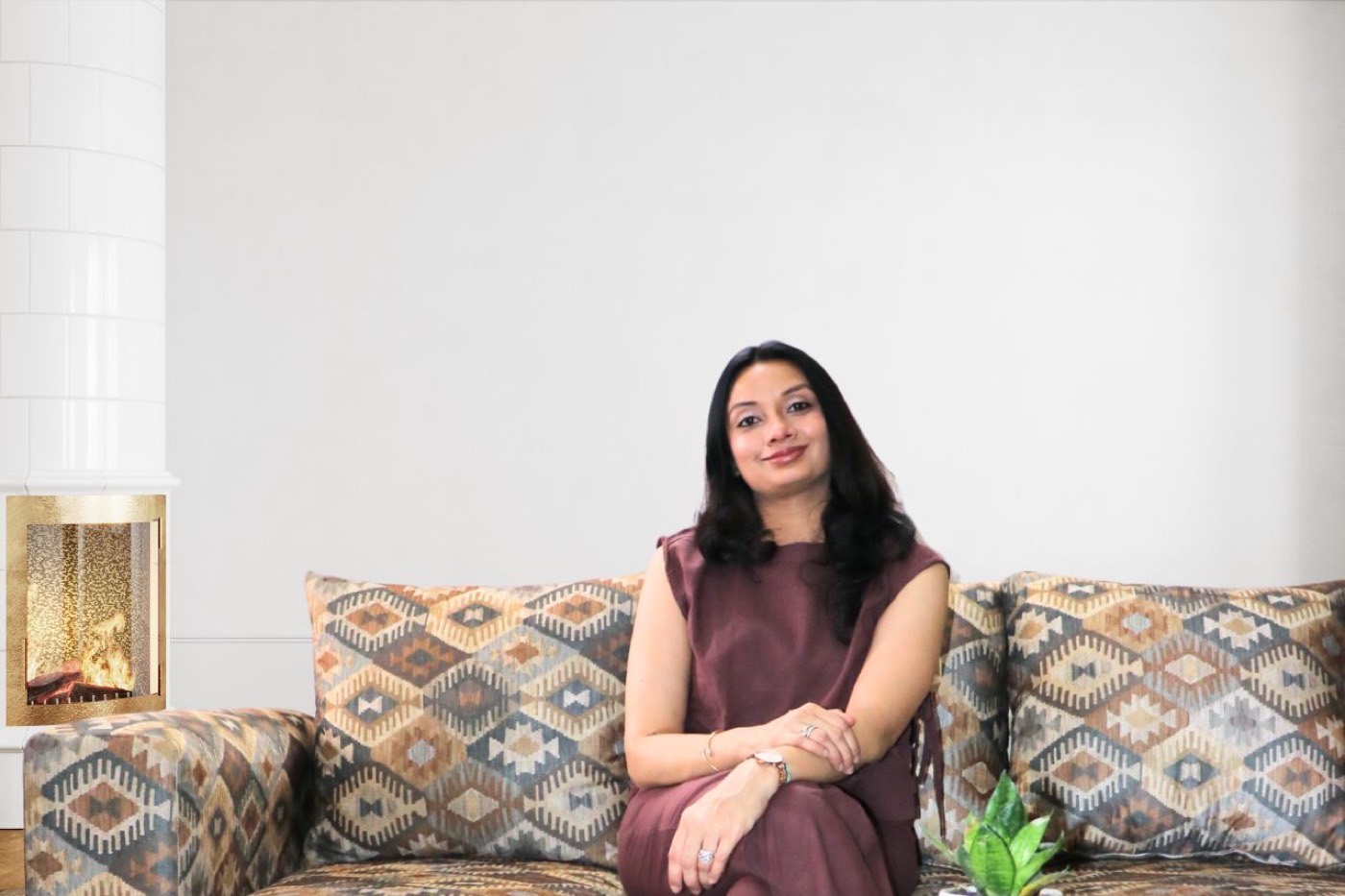
Trauma-Informed Therapist, Trainer & Coach
For years,
I told myself my children drained me.
Their needs.
Their noise.
Their questions.
Their constant closeness.
I thought they were the reason I felt tired
down to my bones.
But slowly—
painfully—
another truth surfaced:
It wasn’t my children.
It was the absence around me.
The lack of help.
The lack of rest.
The lack of someone to lean on.
The lack of nourishment
that wasn’t just food
but actual care.
It was being the one who remembers everything.
Handles everything.
Holds everything.
It was parenting alone
even when other adults were technically present.
It was the way mothers are expected to function—
as if we don’t need a pause
or a door
or a moment
where someone else takes over.
It was exhaustion disguised as personality.
Overwhelm disguised as “normal.”
Loneliness disguised as strength.
And when you live like that,
even love becomes heavy.
So yes—
I snapped.
I got irritated.
I blamed the nearest thing—
the children.
Because guilt makes you rewrite the story
just to make it through the day.
But now I know better:
Children don’t drain mothers.
Motherhood without support does.
Motherhood without rest does.
Motherhood without a village does.
My children were never the problem.
My depletion was.
And if you’re feeling something similar—
if a part of you whispers this truth late at night—
know that you’re not imagining it.
You’re not weak.
You’re not failing.
You’re just carrying more
than any one person was meant to carry alone.
In the quiet corners of my 1:1 spaces,
this is often where we begin—
with the relief of finally naming
what was never your fault.
Just a gentle opening
for anyone who needs it.
Written by
Sneha Maheshwri
Trauma-informed therapist and transformational coach. I work with inner child healing, intergenerational trauma, family constellation and womb work, and I train other practitioners in the 7W Integrative method. I did not come to this from a textbook. I came to it as someone who needed it.
More about how I workKeep reading